
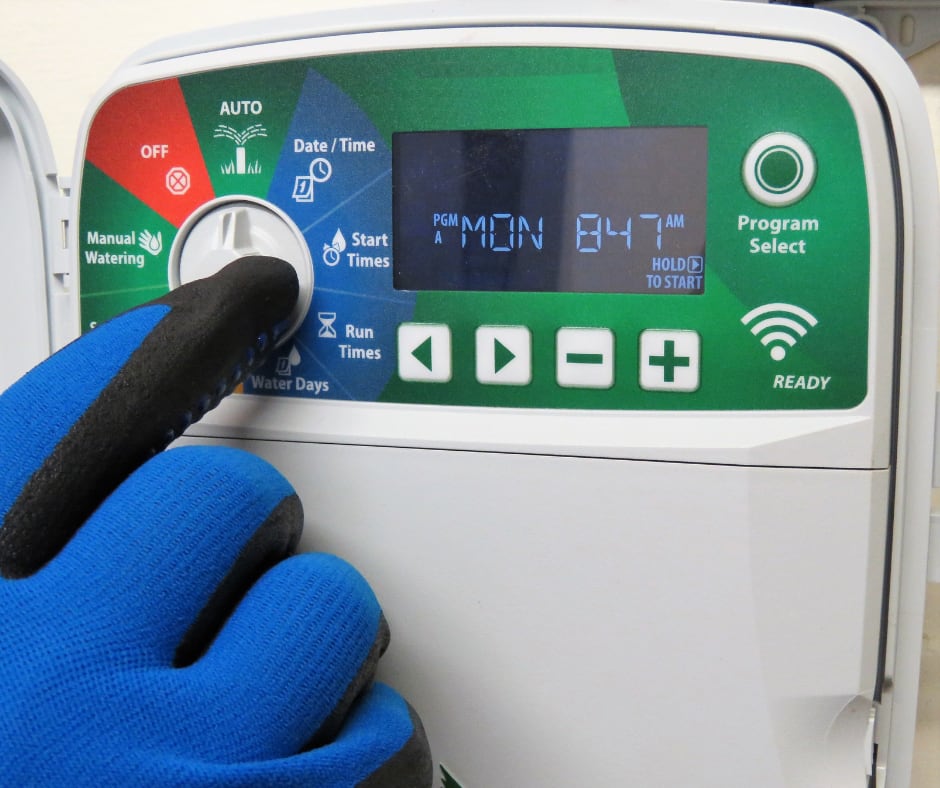
As the weather warms up and the grass starts growing again, your property manager may ask you to help get the sprinkler system running for the season. Don’t worry—this process is usually pretty simple, and you won’t need to mess with underground plumbing or do anything too technical. In most cases, your job will just involve using the sprinkler controller (timer box) and checking the sprinkler heads to make sure they’re working properly.
Here’s a quick, step-by-step guide to help you turn on the sprinkler system and run a test cycle.
---
Step 1: Locate the Sprinkler Controller
Most sprinkler systems are operated through a wall-mounted control panel (usually found in the garage, utility room, or outside). This box allows you to program watering schedules and manually run each sprinkler zone. You can also find most guides with step-by-step model-specific instructions online by searching for the brand and model of the sprinkler controller.
* If the screen is blank, make sure it’s plugged in or has power.
* If it runs on batteries or has a battery backup, check to see if they need replacing.
---
Step 2: Set the Date and Time
Before you run any cycles, make sure the date and time are correct:
1. Press the “Set Time/Date” or similar button.
2. Use the arrow keys or dial to adjust the current time and date.
3. Press “Enter” or “Next” to save.
---
Step 3: Run Each Zone Manually to Check Sprinkler Heads
Now it’s time to make sure each sprinkler zone (part of the yard) is working properly.
Here's how:
1. Find the “Manual” or “Test” mode on the controller. Some systems have a “Manual Start” button or option on the dial.
2. Select a short run time for each zone (about 2–5 minutes is fine).
3. Press “Start” or “Run” to begin the cycle.
As each zone runs, walk around the yard and check for:
* Heads that don’t pop up
* Sprinklers spraying in the wrong direction or spraying directly up in the air
* Clogged, broken, or leaking heads
* Areas where water isn’t reaching
Take note of anything that looks off. You don’t need to fix it—just report it to your property manager so they can take care of it.
---
Step 4: Resume or Set a Basic Watering Schedule
The property manager will want you to set a basic watering schedule that adheres with your city watering guidelines. (typically 2-3 days per week, 1-2 times per day during summer months).
To set a basic schedule:
* Select the days of the week to water (every other day is common in spring).
* Set start times (usually early morning is best).
* Set run times for each zone (5–10 minutes per zone is typical, unless instructed otherwise).
* If the ground is cracking or dirt is pulling away from the foundation and plants/grass is starting to turn brown or dry & brittle, you need to increase your watering schedule to additional times per day or additional days of the week.
---
Step 5: Let Them Know It’s Done
Once you’ve tested the zones and made sure everything is running, send a quick update to your property manager—especially if you noticed any problems.
---
Quick Reminders:
* Don’t turn any underground valves or water shutoffs unless you were specifically asked to.
* Take photos or notes if anything looks broken or isn’t working as expected and immediately report to your property manager.
* If you’re unsure about anything, just ask—it’s better to double-check than risk damaging the system.
---
Wrapping Up
Helping get the sprinkler system up and running is a simple way to keep your yard looking great, help avoid costly foundation issues and do your part as a tenant. It is likely also a requirement of your lease to make sure all systems at the property are working and report any deficiencies in a timely manner. A quick test run and visual check can prevent dry spots, leaks, or wasted water—and it usually takes less than 30 minutes. With a little attention, you’ll have everything set for a green, healthy lawn all season long.